

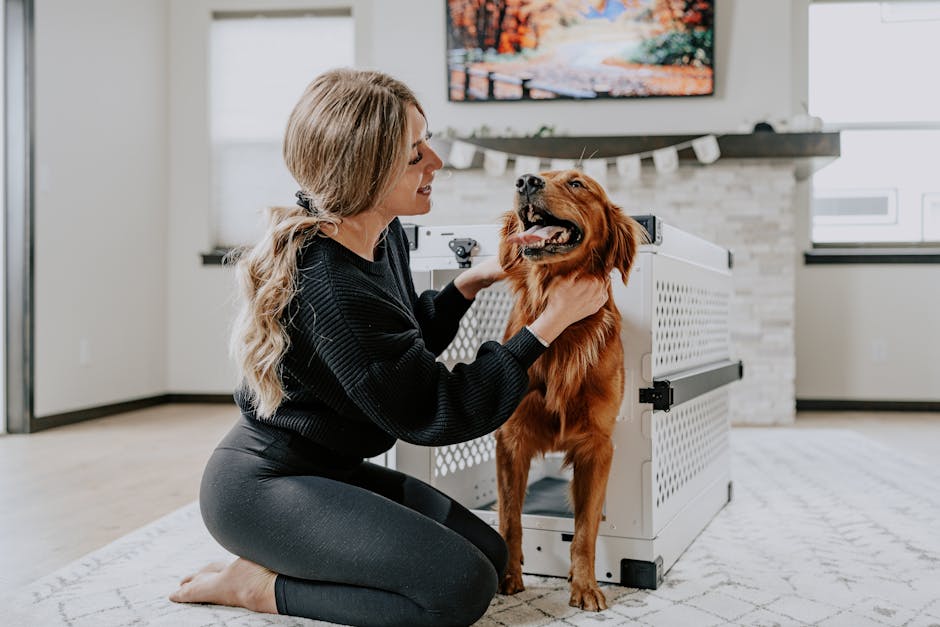
You’d be surprised how many “potty mistakes” come from the wrong space, not from bad behavior. I’ve seen it happen with both puppies and adult dogs: one family uses a giant playpen, another jumps straight to a crate, and both end up frustrated—until they match the setup to the animal’s age, energy, and routine.
Here’s the direct answer: crate training works best when you need calm, safe rest and you can manage bathroom timing. playpens work best when you need a bigger area for short periods, safe supervision, and a gradual step-up from “no freedom” to “some freedom.”
If you’re choosing between crate training vs playpens in 2026, this guide will help you pick the right option (and use it correctly) without guessing.
Crate training vs playpens: the key difference most people miss
The biggest difference: a crate is a smaller, den-like space that the pet learns to relax in, while a playpen is an open “safe yard” where the pet can move around more.
A crate is designed to be just big enough for your pet to stand up, turn around, and lie down comfortably. That size matters because it helps with bladder and poop control. A playpen is larger on purpose. It’s great for keeping your pet safe during the day, but it can accidentally teach your dog or cat that there’s a “bathroom zone” because the space feels too big.
That’s the mistake I see most often: people treat both tools like cages. They’re not the same tool.
When crate training is the right fit (and when it isn’t)
Crate training shines when you want predictable rest time, easier potty routine, and calmer behavior during training. I prefer it for many puppies, and for adult dogs who need structure after a move or a change in household routine.
Crate training is also a strong choice if you’re crate training for travel or vet visits. It creates a familiar place your pet can handle stress in.
In 2026 best practice still follows the same rule: the crate is for safe downtime, not for punishment. If your pet is crying and you leave them for hours, you’re not “teaching”—you’re building panic.
Best situations for crate training (real-life examples)
- You’re home more often during the day (or you can do a lunch break potty trip). Puppies do best with frequent bathroom breaks.
- You’re working on separation anxiety. A crate can become a “safe base,” especially when you pair it with calm routines.
- Your pet can learn a routine. If you feed at set times and you take the pet out on a schedule, the crate fits that rhythm.
- You live in an apartment or you’re using stairs. A crate helps you manage a busy day without keeping your pet loose in the whole room.
When a crate is not the best choice
Crates can be the wrong tool when your schedule can’t support regular bathroom breaks, or when the pet already has strong stress around confined spaces.
- You work long shifts with no mid-day break. If the pet can’t get outside often, a crate may lead to accidents and stress.
- Your dog shows severe fear (trembling, constant barking, frantic escape attempts) even after gentle setup. In these cases, you’ll want a slower plan with help from a trainer or behavior professional.
- Your pet is in a growth stage where you can’t adjust crate size. Puppies grow fast. Use a crate divider so the crate doesn’t become too large.
One more honest note from experience: for some cats, a crate is stressful unless it’s paired with short, happy sessions. For those cats, a playpen or a “cat room” setup may be kinder at first.
When a playpen is the right fit (and when it backfires)
Playpens work best when you want a safe, bigger area and you can actively supervise or do planned bathroom trips. They’re ideal for times when you can’t (or don’t want to) limit your pet to a small space.
I use playpens for the “in-between” stages: when the pet is past the newborn phase but still not ready to have full run-of-room freedom.
Best situations for a playpen
- Short-term independence with supervision. Example: you’re in the kitchen cooking, and you can glance over every few minutes.
- Older puppies who already understand “potty goes outside.” They still need structure, but accidents are less likely than with a very young puppy.
- Multi-room homes where you’re trying to keep your pet in one area to prevent chewing or chaos.
- You’re training manners like calm greetings. You can place the pen near you so your pet learns to settle while you’re working.
How playpens backfire (the potty problem)
A playpen can make crate training “feel harder” because it changes the learning pattern. If the playpen is large enough for your dog to walk away from the accident spot, your dog may decide that’s fine. That’s not your dog being “bad.” It’s just natural.
So if you want strong potty training results, don’t make the playpen too big too early. Also, keep bedding and potty areas separated.
If you’re wondering about potty training basics, this pairs well with our guide on potty training basics for dogs (timing matters more than most people think).
Crate training vs playpens: quick comparison table
Use this table when you want fast help deciding. It’s the part I wish I had when I first started training my own dog.
| Factor | Crate training | Playpen |
|---|---|---|
| Goal | Calm rest + predictable potty control | Safe area + controlled movement |
| Space size | Small (den-like). Often a divider for puppies | Larger. Needs careful potty setup |
| Best for | Puppies, dogs learning structure, travel readiness | Short supervision, chewing prevention, gradual freedom |
| Potty training risk | Lower when sized correctly | Higher if the area is too big or setup is wrong |
| Comfort & stress | Works when paired with positive sessions | Works when supervised and not used as a “stand in” for exercise |
| Human schedule fit | Best when you can follow bathroom timing | Best when you can check in often |
| Common mistake | Leaving the pet too long | Making it too big for potty learning |
How to choose based on your pet’s age, size, and temperament
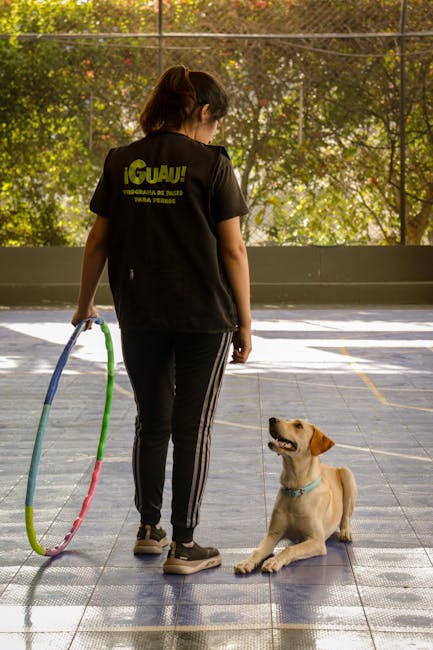
Here’s my practical rule: pick the setup that matches your pet’s ability to hold it and your ability to manage bathroom timing.
For puppies, use age as a starting point. A common guideline is roughly one hour per month of age for bladder control (many people treat this as a ceiling, not a promise). For example, a 3-month puppy may need a potty trip about every 3 hours while awake. Night is often shorter at first.
That guideline helps you decide if crate time is realistic.
Age-based starting points
- 0–3 months: frequent potty trips, lots of supervision. A crate can work with constant check-ins, but many homes use a pen plus very structured schedules.
- 3–6 months: crate training often takes off when you use a divider and stick to a routine. Playpens can work for “you’re home” periods.
- 6–12 months: both can work. If your dog has good potty habits, a playpen can help prevent boredom and chewing during short human tasks.
- Adult dogs: choose based on anxiety, energy, and schedule. Many adult dogs do great with crates for rest and a playpen for daytime structure.
Temperament clues that point to one choice
- High-energy, busy brain: playpen can help you contain and manage, but it still needs exercise and mental games. A pen alone is not a substitute.
- Worried, clingy, or easily overstimulated: crate training is often calming when you keep it den-like and add quiet routines.
- Escape artist: both need a secure setup. For dogs, test latches and put the pen/crate where it can’t be tipped.
Step-by-step: how to set up a crate or playpen the right way
The setup decides the outcome. Here are the exact steps I’d follow if you handed me your home and your schedule today.
Crate training setup checklist (do this first)
- Pick the right crate size. Your dog should stand up, turn around, and lie down comfortably. For puppies, use a divider so the crate doesn’t get too big as they grow.
- Choose a comfy surface. Use a washable pad or blanket. Avoid loose items that can bunch up and trap teeth or claws.
- Use safe chew options. Think long-lasting chew treats meant for dogs, not toys your pet can shred into chunks.
- Start with short wins. Feed near the crate, then in the crate. Close the door for 5–10 seconds at first, then open. Build slowly.
- Keep it positive. Never shove your pet in. If your dog resists, it’s a sign you need slower pacing.
If you want a deeper training plan, our post on a practical separation routine for anxious pets connects well here, because crate training often overlaps with calm-alone skills.
Playpen setup checklist (so potty training doesn’t get messy)
- Place it in one room. Don’t scatter it across hallways. Consistency helps your pet learn.
- Create zones. Put bedding away from the area where your pet will potty. In many setups, that means careful placement and frequent trips.
- Use a chew and enrichment station. A Kong-style treat toy, a frozen lick mat, or a puzzle feeder helps prevent boredom chewing.
- Supervise at first. If your pet is new to the space, watch for chewing, digging, or panic signals.
- Keep playpen time tied to your schedule. If the pen is where the pet sits for hours without breaks, you’ll get more problems, not fewer.
A 2026 daily schedule you can follow (crate + pen option)
This is the routine I recommend most often: use the crate for calm rest, and use the playpen as a daytime “safe zone” when you’re home and can supervise. You don’t have to pick one forever.
Here’s a sample schedule for a typical weekday. Adjust times for your pet’s eating and your bathroom needs.
Sample day plan for a puppy learning potty habits
- 6:30 AM: potty break outside, then breakfast (measured portion).
- 7:00–8:00 AM: short crate rest (5–20 min sessions), then play/training with you.
- 8:00–10:00 AM (supervised): playpen time while you do chores. Take potty trips right after play.
- 10:00 AM: potty break, then chew/enrichment in the playpen.
- 11:00–12:00 PM: crate rest while you work. Keep sessions short and predictable.
- 12:00 PM: potty trip outside (ideal time for a lunch break).
- 1:00–3:00 PM: playpen + supervised play. Rotate toys so the pen doesn’t become dull.
- After dinner: more crate rest, plus potty right before each crate session.
- Bedtime: last potty outside, then crate for sleep.
If your schedule doesn’t allow a lunch break, you need a different plan. In that case, talk to a trainer about realistic options, or consider hiring a dog walker. A “set it and forget it” crate is how you end up with more accidents and stress.
People also ask: crate training vs playpens
These are the questions I hear constantly from readers and friends, so I’m answering them clearly.
Should I use a crate or a playpen for potty training?
Crate training usually helps more for early potty training because the space stays den-like and encourages holding it. A playpen can still work, but you must keep it smaller than you think and manage potty breaks closely.
If your playpen is large enough to include a “bathroom spot” away from bedding, many pets will take that option. It’s not stubbornness—it’s comfort.
How long can my dog stay in a crate?
For training success, shorter is better. Use a schedule based on age and your pet’s progress. As a simple starting point, many people aim for roughly one hour per month of age while awake, plus travel or naps that fit the routine.
For night, many dogs can sleep longer once they’re more consistent, but you still need to match your pet’s learning stage. If your dog soils the crate consistently, it’s a sign the time window is too long or the setup is wrong.
Can I leave my puppy in a playpen all day?
No, not in the way most people mean it. A playpen is a tool for safety and short supervised breaks, not a replacement for walks, sniff time, training, and bathroom trips.
Even a perfect playpen can’t stop boredom. Without breaks, chewing and stress behaviors often show up.
Will my dog hate the crate or associate it with bad things?
Not if you build it right. Your goal is for the crate to become a safe resting spot. If you rush the process (big door slam, long confinement from day one), your pet will learn fear. Start small, reward calm behavior, and keep sessions short.
For pets who show strong fear, use professional guidance. Some dogs need a slower pace than you can do alone.
Is a playpen good for separation anxiety?
Sometimes, but it’s not a full solution. A playpen can help you manage supervision while you work on separation training. Still, separation anxiety needs a plan: gradual alone practice, calm cues, and appropriate exercise beforehand.
If you’re dealing with anxious barking or panic, check our separation routine article mentioned earlier for a step-by-step approach.
Common mistakes I’d avoid (so you don’t lose weeks)
Here are the errors that waste the most time. I’m putting them up front because they’re honestly the difference between “this works” and “why is nothing working?”
Crate mistakes
- Wrong size: a crate that’s too big can ruin potty training. Use a divider for puppies.
- Using it as punishment: your pet won’t calm down. They’ll connect the crate with something scary.
- Skipping the positive part: if the crate is only used when you’re leaving, your pet will feel trapped.
- Leaving water issues: always follow your vet’s advice for hydration needs, especially with illness or heat. Don’t guess.
Playpen mistakes
- Too much space too soon: it can teach the pet that accidents are “acceptable.”
- No exercise: a pen doesn’t replace walks, sniffing, or play.
- Only toys that are easy to destroy: make enrichment safe and age-appropriate.
- Letting it become a “cry it out” station: if you ignore panic, it can get worse. Use the space for short, calm building blocks.
Which setup should you buy first? A no-stress recommendation
If you want the simplest path, start with one main tool that matches your current routine, then add the other later.
Choose a crate first if:
- your main goal is potty training and calm rest,
- you can manage bathroom breaks, and
- your pet isn’t already strongly fearful of confinement.
Choose a playpen first if:
- you’re home and can supervise during daytime,
- your pet needs a bigger safe area to prevent chewing chaos, and
- your pet struggles with crate stress right now.
My favorite compromise for many households: crate for naps and bedtime, playpen for short supervised daytime sessions. It gives you structure without making your pet feel trapped.
Safety and health checks (quick but important)
Good training also means good safety. Every few weeks, check the area like you would check a baby gate.
- Check the floor: remove slippery rugs or loose mats that can cause falls.
- Watch for overheating: pens and crates need airflow, especially in summer 2026 heat waves.
- Inspect chew items: replace anything that breaks into sharp pieces.
- Monitor bathroom habits: sudden changes can be medical. If your pet suddenly can’t hold it or has diarrhea, contact your vet.
If your pet has a health issue affecting bladder control, you’ll want to read our guide on urinary and GI symptoms in pets so you know what’s training-related and what needs medical attention.
Final takeaway: pick the tool that fits your timing, not your hopes
Here’s what I want you to do today: be honest about your schedule and your pet’s current stage.
If you can manage regular bathroom breaks and you want a calm, predictable rest space, crate training is usually the fastest route. If you need a larger safe area during the day while you’re home and supervising, a playpen is the better fit.
Most importantly, don’t freeze yourself into one choice. In real homes, the best results often come from using crates for den-like rest and playpens for supervised daytime structure. That combo keeps your pet safe, keeps your routine steady, and helps training actually move forward.
Featured image alt text (for accessibility/SEO): Crate training vs playpen setup for dogs in a safe home routine