

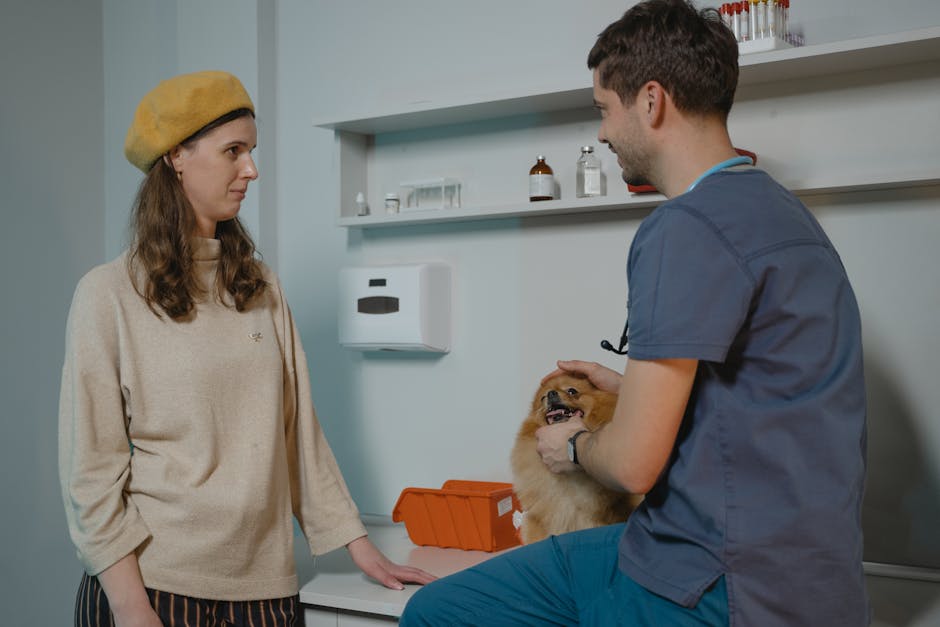
My most memorable (and stressful) vet visits started with a tiny problem: we brought the pet, but we didn’t bring the timeline. When you’re sitting in the exam room, “Since last week” is surprisingly hard for a clinician to work with. That’s why Veterinary visit prep made easy isn’t about memorizing medical facts—it’s about walking in with clear, organized information that helps your vet connect the dots fast.
In 2026, clinics rely heavily on accurate histories—especially for GI issues, skin flares, recurring infections, and sudden changes in behavior. If you show up with a symptom log, medication list, and a few targeted questions, you’ll get better guidance in less time. Here’s exactly what to bring, what to ask, and how to track symptoms without turning your kitchen into a command center.
Veterinary visit prep made easy: Build a 10-minute “bring + know” checklist
The fastest way to make a veterinary visit go smoothly is to separate “supplies” from “information.” In my experience, people usually overpack supplies and underprepare the timeline, which makes diagnosis harder.
Veterinary visit prep made easy starts with one simple rule: if it impacts how your pet feels, eats, poops, breathes, or sleeps, it belongs in your bag. If it explains when things changed, it belongs in your notes.
What to bring to the appointment (the practical items)
- Medication and supplement list (with photos): Bring the bottles, blister packs, or a few clear phone photos of labels and dosages. Include frequency (once daily, twice daily) and the exact amount you administer.
- Current weight or recent scale note: If your pet has been weighed at home or at a store kiosk, write down the date and number. Weight changes affect dosing.
- Fecal/urine samples if your vet requested them: Follow clinic instructions on container type and timing. If they didn’t request it, call first—some clinics don’t want you to bring containers without guidance.
- Any disposable records you already have: Vet visit summaries, lab results from past years, imaging reports, and vaccination records.
- Comfort items for nervous pets: A favorite blanket, treat pouch, or towel helps reduce stress. Stress can change heart rate and GI behavior, so reducing it improves assessment quality.
- Leash, harness, and a method for safe handling: For cats, a carrier that opens from the top or side can make handling safer and quicker.
- Paper towels + waste bags: This sounds basic, but it saves time if your pet has an accident before or after the exam.
What to bring for the “timeline” (the info clinicians actually use)
- Start date: When you first noticed the problem.
- Pattern: Constant vs. comes and goes, morning vs. night, after meals vs. unrelated.
- Severity notes: Use your own scale (mild = 1–2/10, moderate = 3–5/10, severe = 6–10/10).
- Eating + drinking changes: Total intake is hard, so track “normal/less than usual/not interested.”
- Bathroom changes: Stool consistency (BRISTOL stool chart style if you know it), straining, frequency, accidents.
- Behavior changes: Hiding, aggression, vocalizing, lethargy, restlessness, itching, limping.
My go-to insight: Bring the “boring” details—like the exact treats that changed last week—because those are often the missing puzzle pieces for allergic reactions and GI upset.
What to ask at your vet visit: questions that get answers (not just a diagnosis label)
The best questions are the ones that turn uncertainty into a clear plan. I keep a small “question bank” note on my phone so I can read it even when I’m stressed.
Here’s what to ask during a veterinary exam to get the most from Veterinary visit prep made easy. You’ll notice these questions focus on action: what to do at home, what to watch for, and when to call back.
Key questions for today’s visit
- “What’s your top diagnosis and what else are you ruling out?” This helps you understand differential diagnoses, not just a single label.
- “What evidence supports that diagnosis?” Ask whether it’s based on exam findings, symptoms pattern, history, or basic tests.
- “What tests are needed, and what will they tell us?” If a test is recommended, ask how results change treatment decisions.
- “If this isn’t improving in X days, what’s the next step?” You need a timeline for re-checks.
- “How should I measure improvement?” For example: appetite score, itch score, litter box frequency, limping scale.
- “Are there side effects I should expect from this medication?” Especially with antibiotics, steroids, anti-nausea meds, and pain control.
- “Do we need to avoid anything specific at home?” Like certain foods, supplements, bathing routines, or exercise restrictions.
Questions for common scenarios (real-life problem sets)
These are questions I’ve used in scenarios I’ve seen repeat across clinics—itching with no obvious cause, recurrent vomiting, and limping without a clear injury.
- Skin itch / allergies: “How do we confirm vs. assume allergies?” and “What’s the step-by-step plan if this trial medication doesn’t fully control itch?”
- Vomiting/diarrhea: “What signs mean dehydration, and should I track water intake?” and “How long is it safe to wait before we switch from supportive care to diagnostics?”
- Limping or pain: “What movements should I restrict for 48–72 hours?” and “How will we reassess pain—what should I look for at home?”
- UTI-like symptoms: “Is this likely bladder irritation vs. infection?” and “What’s the plan if urination improves but frequency returns?”
- Senior pet changes: “What labs check for common age-related causes, and how often should we repeat them?”
How to track symptoms before the appointment (a simple system that works)

Symptom tracking doesn’t need fancy apps to be effective. The goal is to create a clear pattern your vet can interpret quickly.
Veterinary visit prep made easy becomes real when you start tracking right after you notice the first change. Even 24–72 hours of notes can be enough to guide testing and treatment for many conditions.
The Symptom Log method: 3 sections, 1 page
Use paper, Notes app, or a template. Keep it consistent: when you see a change, you log it immediately. Don’t wait until the end of the week—you’ll forget the “small” shifts.
- Section A: Daily basics (30 seconds)
- Food: normal / less / none
- Water: normal / more / less
- Energy: normal / low / high (restless counts as “high”)
- Bathroom: normal / diarrhea / constipation / straining / accidents (with time)
- Section B: Symptom details (when it happens)
- Symptom: vomiting, itching, limping, coughing, sneezing, lethargy, hiding
- Time: exact time (or “morning/afternoon/night”)
- Duration: minutes/hours
- Severity: 1–10
- Trigger: after meals, after exercise, after bathing, after new treat
- Section C: Medication + response
- Medication name + dose + time given
- Response: improved/not improved; any side effects
Quick measurement ideas that impress vets
These are practical metrics that are easy at home and useful in a clinic setting:
- Appetite score: 0 = none, 1 = nibbling, 2 = about half, 3 = normal.
- Itch score: 0 = no scratching, 1 = occasional, 2 = frequent, 3 = constant or waking at night.
- Limping grade: 0 = normal, 1 = slight favoring, 2 = obvious, 3 = non-weight-bearing.
- Vomiting count: number of episodes + whether it’s bile/foam/food.
- Cough tracking: “X coughs per hour” rather than only “it’s worse.”
- Breathing rate at rest (for owners comfortable counting): observe for a full minute when your pet is calm. If you’re unsure, skip it and let the clinic measure.
Use photos and short videos strategically
Photos beat memory. If your pet has a rash, discharge, swelling, or vomiting appearance, take clear images with good lighting. Keep a short 10–20 second video showing the behavior—especially limping, coughing, sneezing fits, or scratching spots.
Original angle from my own routine: I label photos with the date in the filename (like “2026-04-09-itch-face.jpg”) before I even open the camera roll. It prevents the “Which one was yesterday?” problem later.
Tracking symptoms on the day of the appointment: what to record during waiting time
Even if your appointment is delayed, you can still gather useful data. Waiting time changes stress and can trigger symptoms like vomiting, panting, itching, or hiding.
Here’s what to note while you’re in the lobby so nothing important slips away.
What to track while you wait
- Baseline stress: Is your pet normal-alert, panting, trembling, or very quiet?
- Symptom changes in the clinic setting: Does coughing increase with excitement? Does itching worsen when you handle them?
- New symptoms: If something appears suddenly (like a new swelling), record it immediately with time.
- Medication timing: If you gave a dose shortly before arrival, note the time and your observation of the effect.
What most people get wrong
The biggest mistake is trying to “explain everything from memory” instead of reading a log. The second mistake is bringing medication but not confirming dose frequency (example: “half pill twice daily” vs “half pill once daily”).
If you suspect those details might be fuzzy, bring a printed list and show it to the technician during check-in.
Medication safety: how to document doses, avoid errors, and explain what you tried

Medication questions are where vet visits can either go smoothly—or derail into avoidable confusion. In 2026, many clinics are more medication-aware because dosing mistakes happen more often than people think.
Veterinary visit prep made easy means you document doses clearly and you tell the truth about what you did at home, even if you stopped early.
Medication checklist (bring this every time)
- Name of medication (generic and brand if you know it)
- Dose amount (tablet size or mg if labeled)
- Frequency (once/twice daily, every 8 hours, etc.)
- How you gave it (with food, on empty stomach, hidden in treat)
- How long you administered it
- Any missed doses and why
How to report home treatment and results
Vets don’t just want to know what you gave—they want to know how your pet responded. That response helps decide whether the medication is working, whether dosing is off, or whether the problem is different than expected.
- “Gave for 2 days; symptoms improved slightly, then returned.”
- “Tried an anti-itch spray; scratching decreased for 1 hour, then returned.”
- “Stopped after 3 doses because vomiting started.”
People Also Ask: Veterinary visit prep questions answered fast
What should I bring to a vet appointment for my dog or cat?
Bring your pet’s medication and supplement information (preferably photos of labels), a symptom timeline, any lab/imaging records you have, and comfort items for stress reduction. If the vet requested samples or specific forms, bring those too.
Tip: Keep everything in one container—like a small bin in your car—so you don’t scramble the night before.
How do I track symptoms for the vet without overthinking it?
Use a 1-page log with three sections: daily basics, symptom episodes with time and severity, and medication + response. Track consistently right away. Even short notes are more valuable than a vague memory later.
What questions should I ask my vet if my pet is not improving?
Ask what “not improving” means clinically, whether the diagnosis needs revisiting, and what the next step is (test, medication change, or referral). Also ask for an exact reassessment date and what symptoms should trigger a faster call.
Should I stop medication before a vet visit?
Do not stop prescribed medication without vet guidance. If you missed a dose or withheld it, report it honestly. If the pet is having side effects, call the clinic to ask for instructions before making changes.
Step-by-step: a 30-minute prep routine the night before
If you want a clean, repeatable routine, use this one. It’s designed for busy households—no special tools required.
- Gather medications: Put all meds/supplements in a bag or small bin.
- Take photos: Photograph each label so dosing details are readable.
- Write a symptom summary (5–8 lines): start date, main symptoms, worst moment, and what changed.
- Update the symptom log: Add any episodes since your last note.
- Draft your top 5 questions: Keep them short and action-oriented.
- Pack a comfort item: Blanket or towel for calmer handling.
- Set appointment reminder: Put time, address, and any instructions in your calendar.
In my view, this routine is the real heart of Veterinary visit prep made easy: it reduces anxiety for you and improves accuracy for the clinic.
Tools and templates you can actually use (and what I like about them)
People often ask for “apps,” but what matters is whether you’ll use it consistently. If a tool makes logging harder, skip it.
My preferred lightweight options
- Notes app with a pinned template: Create one note titled “Vet Log – [Pet Name]” and duplicate it for each episode.
- Google/Apple photo albums for symptom sets: Make one album per complaint so photos stay organized.
- Printable symptom log sheets: Keep a few in a drawer. Print one per pet so you don’t hunt for paper during a flare.
- Measuring routine: Use a kitchen timer to track episode duration (especially for vomiting or coughing bursts).
Comparison: phone notes vs. paper log
| Option | Pros | Cons |
|---|---|---|
| Phone notes | Fast edits, easy photo attachments, searchable by date | Battery dead or alerts off; harder to stick to a consistent format |
| Paper log | Always available, low distraction, consistent structure | Harder to attach photos; can get lost |
Both work. Choose what you’ll actually maintain during stressful moments.
When to call the clinic instead of waiting for the visit
Symptom tracking is for planned appointments, but some signs require urgent guidance. If any of the following are present, call your vet right away (or follow local emergency guidance):
- Difficulty breathing, open-mouth breathing, or persistent wheezing
- Repeated vomiting with inability to keep fluids down
- Signs of severe pain (non-stop crying, collapsed posture, aggressive guarding)
- Fainting, seizures, or sudden extreme weakness
- Not eating and not drinking for 24 hours (sooner for small pets, kittens, or senior animals)
- Bloated belly with unproductive retching (for dogs, especially)
In these situations, your log still helps—but it shouldn’t replace prompt communication.
How this connects to other pet care topics on our blog
Making veterinary visits easier pairs well with better at-home routines. If you’re preparing for a visit because of diet issues, skin problems, or recurring discomfort, you’ll likely benefit from our guides on pet nutrition and home comfort setups.
- How to Spot Pain in Pets (helps you track what changes in behavior and movement)
- Common Allergies in Pets and How to Manage Them (useful when itching and skin flare-ups keep returning)
- Handling Anxious Pets for Vet Visits (practical steps for carrier routines and calm practice)
Conclusion: your best outcome starts before the appointment
Veterinary visit prep made easy is really about structure. Bring clear medication info, a simple symptom timeline, and your top questions so the clinic can focus on testing and decisions—not piecing together facts from memory.
Do the 10-minute checklist the night before, use a 1-page symptom log, and track episodes with time + severity. You’ll walk into the exam room feeling prepared, and your vet will have the context needed to help your pet faster.
Featured-image alt text (SEO): Veterinary visit prep made easy checklist with symptom log and medication photos for a pet clinic.