

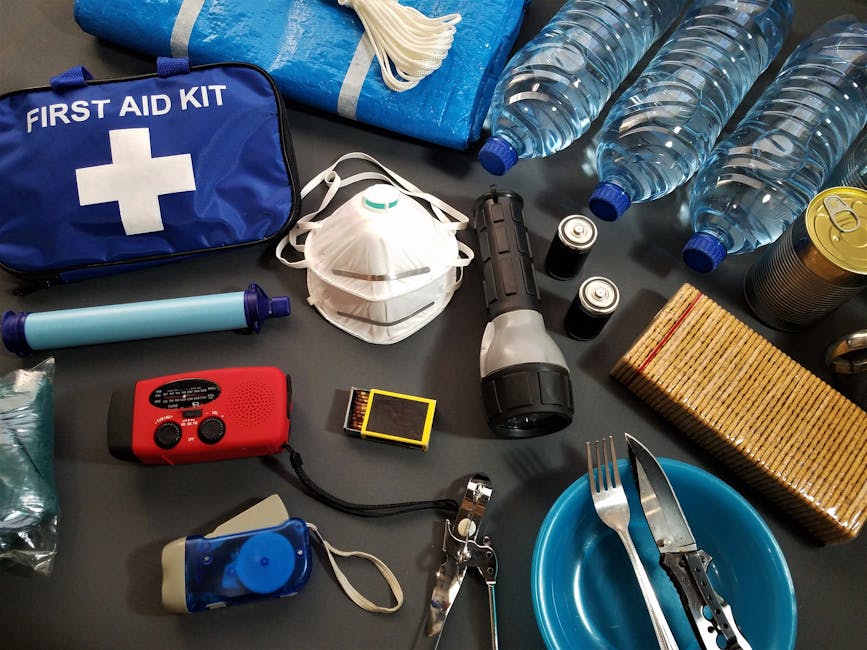
Emergency preparedness for pets isn’t “someday” work—it’s what helps you stay calm when the power goes out, smoke rolls in, or an unexpected leash break turns into a missing-pet sprint. I learned this the hard way after a storm knocked out the neighborhood for hours; my dog was fine, but my “maybe we’ll remember” plan wasn’t. Since 2026, I’ve used a simple home checklist that keeps first aid, evacuation, and quick rescues organized in one place.
Here’s the direct answer: build a grab-and-go pet kit, keep a clear first-aid routine for common injuries, and practice an evacuation plan that includes your pet before any emergency happens. The rest of this guide turns that into a practical, room-by-room checklist.
Start Here: Your Emergency Preparedness for Pets Plan in 15 Minutes
Your emergency plan is only as good as the decisions you make today. Emergency preparedness for pets should answer three questions: Where do we go?, How do we transport?, and Who does what?
- Choose 2 destinations: one “close-by” option (friend/family, hotel pet policy check) and one “regional” option in case roads are blocked.
- Decide your transport method: car carriers for cats, harness + seat belt system for dogs, and secure crates for small pets.
- Assign roles to 2 humans: one grabs the kit and documents, the other handles leashes/kennels and calls for help.
What most people get wrong: they plan for themselves, then “hope” they’ll improvise for pets. During 2026 disaster response planning, I’m seeing more families already using pet-specific go-bags—because improvising under stress costs time, oxygen, and sometimes safety.
Build a Grab-and-Go Pet Kit (and Know What Goes Inside)
A pet kit is not a pile of random items. It’s an organized set of supplies you can grab in seconds, carry to a car, and use immediately for first aid and calming.
My rule: one kit per household for quick access, plus a smaller “day kit” kept in the car. If you have multiple animals, keep them in the same kit but label compartments by pet name.
Emergency kit essentials you can pack today
Use this checklist as a baseline. Adjust based on your pet’s needs, allergies, and any chronic conditions.
- Identification: updated collar tags + a printed backup label inside the kit.
- Proof of ownership: adoption papers, photos, or microchip confirmation details (print the microchip lookup page).
- Medical info: a one-page “pet health summary” with vet name, clinic phone, current meds, doses, allergies, and emergency notes.
- Medication: at least a 7–10 day supply in a labeled, zippered pouch.
- Food + water: 3 days of dry food (or shelf-stable canned/wet food) and a collapsible bowl.
- Water: bottled water and/or a small food-safe water container; evaporation and heat make “just find some later” unreliable.
- Leashes and harnesses: one primary and one backup. For cats, include a carrier you can open quickly.
- Crate/carrier plan: secure, familiar, and sized for your animal. Keep it accessible, not buried in a closet.
- Cleaning and barrier supplies: pet wipes, paper towels, disposable gloves, waste bags, and a small roll of absorbent pads.
- First aid supplies: gauze pads, sterile saline, non-stick bandage wrap, vet wrap, styptic powder, antiseptic wipes, and an emergency thermometer.
- Calming tools: familiar blanket, a favorite chew/toy, and (if your vet approves) prescribed calming medication.
- Safety documentation: include your evacuation route plan and a “pet photo” printout (front-facing is best).
Cost reality check: most households can assemble a functional kit for roughly $60–$180 depending on whether you need a new carrier, harness, or medical supplies. You can start small with a 1-hour packing sprint and upgrade each month.
Choose the right containers (it matters in a hurry)
In 2026, I’m still recommending the boring setup because it works: a large, durable tote or rolling bag with clear labeled pouches. One pouch should always be “medical,” another “identification,” and another “food/water.”
If you use a backpack for pets, make sure it can handle weight and still be grabbed quickly. During real evacuations, people forget bags can be heavy—so test carrying your kit for 5 minutes before you rely on it.
First Aid for Pets: A Quick Rescues Routine You Can Follow
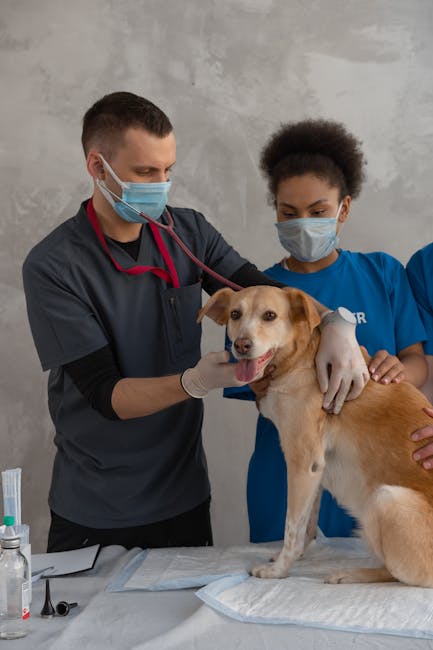
First aid is less about being a veterinarian and more about keeping your pet stable until professional help arrives. In emergency preparedness for pets, your goal is to stop bleeding, protect the airway, manage shock, and prevent further injury.
Definition: First aid refers to immediate, temporary care given to a pet to reduce harm while you seek veterinary treatment.
The 6-step “stabilize first” method
When you’re panicked, steps prevent mistakes. Use this routine as your internal script.
- Check breathing: is your pet breathing normally? If not, clear visible obstructions if safe and get urgent help immediately.
- Check bleeding: apply gentle pressure with sterile gauze for 5–10 minutes without constantly lifting to “see.”
- Assess temperature risk: heat stroke and hypothermia both require quick action. Move to a cooler or warmer area and monitor.
- Protect wounds: cover with non-stick pads and wrap lightly. Don’t wrap so tight you reduce circulation.
- Prevent shock: keep your pet warm with a blanket and speak calmly. Shock signs include pale gums and weakness.
- Call a vet early: describe symptoms and ask whether to bring your pet in immediately or follow specific first-aid steps.
Important limitation: I can’t diagnose online, and I’m not replacing veterinary guidance. If your pet is struggling to breathe, has uncontrolled bleeding, seizures, or collapses, treat it as an emergency and seek in-person care immediately.
Common emergency scenarios (and what to do in the first 10 minutes)
Real emergencies are messy, so here are practical, high-frequency cases you can plan for.
1) Cuts and minor bleeding
For small lacerations, rinse with sterile saline if available, then apply pressure. Use non-stick gauze and secure with a wrap; avoid duct tape directly on skin.
2) Bumps, sprains, and suspect fractures
Don’t “test” mobility by repeatedly moving the limb. If your pet is limping badly or won’t put weight down, keep them still in a crate or on a towel sling and contact your vet.
3) Heat exposure
Heat stroke is time-sensitive. Move your pet to shade or a cool indoor area, offer small sips of water if fully alert, and use cool (not ice-cold) water on the underside and paws.
4) Poisoning (especially in evacuation zones)
If you suspect ingestion, bring the packaging or a photo of what they ate. In my experience, the most helpful thing for poison teams is knowing what, how much, and when. Don’t induce vomiting unless a veterinarian or poison control instructs you.
5) Smoke exposure and breathing trouble
Smoke can irritate airways even when your pet “seems okay.” If your pet coughs repeatedly, has blue/pale gums, or is breathing hard, keep them calm, reduce stress, and seek urgent care.
Evacuation Checklist for Pets: Transport, Housing, and Paperwork

Evacuation planning is where many “pet parent best intentions” fail. For emergency preparedness for pets, the key is making your pet easier to transport than to leave behind.
Get transport right: harnesses, crates, and seat systems
For dogs, a harness-and-seat-belt setup is far safer than a loose leash flopping in the car. For cats, a sturdy carrier stays the safest default—especially if the carrier is already familiar.
| Pet Type | Best Evacuation Setup | Quick Setup Tip |
|---|---|---|
| Dogs | Harness + crash-tested seat belt or secured harness in a crate | Practice clipping the system while calm—no first-time surprises during stress |
| Cats | Sturdy carrier on floorboard or seat with airflow | Leave the carrier out with a blanket so it’s a normal resting place |
| Small pets (rabbits, ferrets) | Hard-sided carrier lined with paper bedding | Keep a small towel to reduce sliding during braking |
| Birds | Transport cage with cover + safe perches removed/secured | Dim light during movement to reduce panic |
Where will you go? Confirm pet policies before an emergency
Pet-friendly doesn’t always mean “accepting your specific type of pet” during an active event. During 2026, many shelters and hotels update rules fast, so confirm by phone or check the official page for the location you intend to use.
Keep a printed or offline list of:
- 2–4 nearby pet-friendly hotels or shelters
- their phone numbers and address
- any restrictions (weight limits, carriers required, vaccination requirements)
Documents that save time at check-in
Have a “paper stack” in a waterproof folder. Put copies of:
- vaccination records (especially rabies)
- microchip confirmation
- medication list with names and dosages
- your pet photo sheet (front and full-body)
Original insight: I also include a small note card with our “comfort routine” (what calms my dog, how my cat reacts to new people, whether they prefer to hide under a blanket). It sounds silly until you meet a staff member who can’t read your pet’s body language—then it becomes surprisingly valuable.
Quick Rescues When Your Pet Is Lost, Stuck, or Trapped
A quick rescue starts before the big search. Emergency preparedness for pets means you plan how you’ll respond to separation events, entrapment, and panic behavior.
If your dog bolts: the first 5 actions
When a dog runs, do not sprint after blindly. During real rescues, faster humans don’t always catch faster dogs—strategy does.
- Freeze and call calmly: use the same phrase and tone you practice with at home.
- Use a familiar object: shake the treat pouch or hold a favorite toy.
- Reduce noise: yelling and honking can spook the dog further away.
- Recruit help fast: ask neighbors to search specific lanes, not “everywhere.”
- Set up a re-entry point: leave a person with water and a recognizable item by your home or last known location.
If you want to strengthen recall before emergencies happen, check out our guide on building reliable dog recall. It’s one of the highest-impact training investments for evacuation and separation situations.
If your cat hides: how to find without making it worse
Cats hide under stress, and the “chase” response usually backfires. Instead, make the area safer and more predictable.
- Bring the carrier and food nearby.
- Use a flashlight carefully at ground level to avoid startling.
- Block off escape routes by closing doors and creating a “funnel” to the carrier.
- Wait 10–15 minutes between attempts so your cat can reset.
What most people get wrong: they open every cabinet and pull furniture, which turns “hidden” into “injured.” Plan gentle, structured search moves.
Stuck animals, paws, and household hazards
In evacuations, household hazards increase: broken glass, wet floors, and debris. If your pet’s paw is caught, don’t force it—stabilize, cut away material if it’s safe and necessary, and seek vet help.
If you have a pet who often gets into trouble (I’m thinking of the classic “curious nose” type), consider reviewing our tips in safe home habits for pets to reduce injury risk before emergencies hit.
People Also Ask: Emergency Preparedness for Pets
How do I make a pet emergency plan for the whole family?
Assign roles and practice. Emergency preparedness for pets becomes real when every person knows the job: who grabs the kit, who controls leashes, who drives, and who calls for help.
Do a 10-minute practice drill once a month: simulate a “go now” moment. Time how long it takes to put everyone in carriers/crates and load the car. If it takes 20 minutes, simplify—shorter steps beat complicated plans.
What should be in a pet first aid kit?
A practical pet first aid kit includes items for bleeding control, wound protection, basic monitoring, and comfort. Focus on sterile supplies and safety barriers—bandage quality matters when you’re trying to prevent infection.
At minimum, I recommend gauze pads, non-stick wrap, sterile saline, antiseptic wipes, vet wrap, scissors, styptic powder, disposable gloves, a thermometer, and a muzzle only if your vet says it fits your pet and you practice safely.
What is the best way to evacuate with dogs and cats?
Transport stability beats speed. Use harness + seat belt systems for dogs, and carriers for cats, then move calmly using familiar routines and pre-packed supplies.
Don’t improvise with random carriers that smell “new.” If you can, place a familiar blanket inside the carrier and make it part of daily life so your cat sees it as safe.
How can I keep my pet calm during evacuation?
Familiar scent and predictable handling are powerful. Keep your pet’s favorite blanket/toy in the kit, keep voices steady, and avoid sudden changes like removing restraints mid-transport.
If your pet has anxiety, current best practice in 2026 is to talk with your vet about a plan that may include desensitization training, behavioral strategies, or medication you test before it’s needed.
Pet-Specific Add-Ons: Make the Checklist Fit Your Animal
One-size checklists are a start, but they don’t cover every risk. Tailor emergency preparedness for pets with medical needs and species behavior.
For dogs with chronic conditions
If your dog has diabetes, seizures, arthritis, or heart disease, your kit needs “continuity.” Pack enough medication for 7–10 days and include a note describing your last dose time and current routine.
Also include any monitoring tools your vet recommends (like glucose strips for diabetic pets). If you have a refrigerated medicine, plan a safe cold-pack approach that doesn’t freeze medication.
For cats with asthma or sensitive breathing
Breathing issues can escalate quickly during smoke, dust, or cold weather. Keep a copy of your cat’s diagnosis and medication plan, and include a carrier you can keep stable and well-ventilated.
If your cat reacts aggressively to touch, avoid “searching for the right treatment in the moment.” Keep instructions written in plain language in the kit.
For rabbits and small mammals
Small pets dehydrate faster than people expect in warm or crowded evacuation settings. Include extra water support (species-appropriate), absorbent bedding, and a carrier that allows airflow.
Also pack their staple food. Many small mammals can be stressed by sudden diet changes, and evacuation events often reduce access to proper feed.
For birds
Birds need low-stress travel and stable temperature. Use a covered carrier, keep the environment dim during transport, and pack familiar grit/seeds as appropriate.
Note: handling birds incorrectly can injure them, so focus on safe housing and calm transport over “trying to treat” anything you can’t confidently manage.
Training and Practice: The “Quick Rescue” Skill Set You Build Now
The fastest rescue is the one you’ve rehearsed. Emergency preparedness for pets improves with small, consistent practice—especially for carrier handling, leash clipping, and staying calm during noise or door openings.
Practice these mini drills (10 minutes each)
- Carrier drill: cat in carrier for 30–60 seconds, reward, repeat.
- Harness drill: harness on/off calmly, then treat, no rushing.
- Kit drill: open the kit, locate medical pouch, show everyone where it is.
- Phone drill: confirm emergency vet and shelter contacts saved offline.
I like drills that involve the whole family because adults often freeze when they’re not the “pet person.” If everyone practices loading and managing calm restraint, you create speed and safety together.
If you’re working on stress-friendly handling, you may also appreciate our pet behavior resources in teaching calm handling and cooperative care.
Maintenance Schedule for Your Pet Emergency Supplies (So It Doesn’t Rot in a Closet)
The kit doesn’t help if it’s outdated. Set a maintenance rhythm so your emergency preparedness for pets plan stays current.
A simple monthly + yearly routine
- Monthly: check food expiration dates, confirm meds supply, make sure leashes/harnesses aren’t cracked or missing.
- Every 3 months: refill gauze/wrap items used for practice, check thermometer batteries.
- Yearly: review evacuation destinations and reprint contact info, update health summaries and photos.
- After any real event: restock immediately, note what went wrong, and adjust the plan.
Original insight: keep a small “restock tally” paper in the kit. After any use—even a bandage you planned to use for first aid practice—you write it down right then. That prevents the common problem where supplies are slowly “replaced later” and never actually become ready.
Featured Image Alt Text
Image alt text (for your upload): “Emergency preparedness for pets kit with first aid supplies, carriers, and evacuation documents.”
Clear Takeaway: Your Emergency Checklist Should Be Faster Than Your Panic
Emergency preparedness for pets is a practical skill, not a fear-driven project. Build one grab-and-go kit, create a simple first aid stabilization routine, plan transport and destinations, and rehearse quick rescues until your family can act without scrambling.
Start today with a 60-minute packing session: assemble your kit, print the health summary, and place your pet carrier/crate where you can reach it instantly. When 2026 brings storms, outages, or sudden evacuations, you’ll be ready—and your pet will feel safer because you’re calm, prepared, and consistent.