

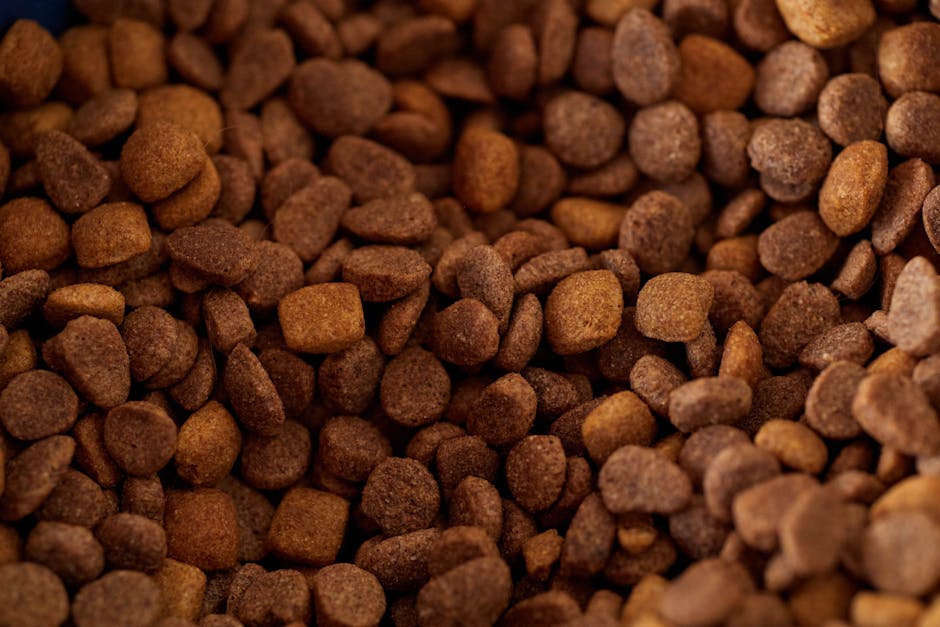
If your dog or cat turns their nose up at one bowl and then demolishes the other, you’ve already seen the biggest reason people fight about wet vs. dry pet food: feeding isn’t just nutrition—it’s appetite, hydration, and how the food behaves in real life.
Here’s the quick answer I wish someone handed me years ago: wet vs. dry pet food are both complete foods when they’re labeled “complete and balanced,” but they affect hydration, calorie density, and dental routine differently. Use that—and your pet’s health goals—to choose, not the brand hype.
Wet vs. Dry Pet Food: The Key Nutrition Differences That Actually Matter
Nutrition comparison means looking beyond “protein vs. carbs” and into water content, calorie density, and how nutrients are delivered in a typical serving.
Wet food is mostly water—often around 70–85%—while dry kibble typically contains roughly 8–12% moisture. That single difference changes portion size, hydration impact, and even how easily your pet over- or under-feeds.
In practice, I’ve seen two households with the same “calories per cup” issue: one pet eats the same weight of wet and dry and ends up with wildly different energy intake because the water changes serving weight. That’s why I always encourage owners to compare calories per serving or kcal per can/ounce, not just “protein is high.”
| Factor | Wet Pet Food | Dry Pet Food |
|---|---|---|
| Typical moisture | ~70–85% | ~8–12% |
| Calorie density | Lower per gram (because of water) | Higher per gram |
| Hydration effect | Built-in extra water | Needs drinking water to compensate |
| Texture &. chewing | Softer; easier for sensitive mouths | Crisp; may help with tartar in some cases |
| Smell &. palatability | Often stronger aroma, more tempting | Generally convenient, less messy |
Featured Snippet Zone: Which One Is Better for Nutrition?
Wet vs. dry pet food nutrition depends on your pet’s needs, but the baseline rule is simple: if both foods are labeled complete and balanced, they can be equally nutritious—the differences are usually about hydration, calorie density, and how your pet tolerates the texture.
If your pet struggles to drink, has a sensitive mouth, is recovering from illness, or has urinary concerns, wet food often gives you a practical advantage through extra water and higher palatability. If your pet needs controlled calories, you rely on portion math for weight management, or you want long shelf-life for feeders, dry kibble often fits better.
Where people get it wrong is assuming “more moisture = healthier” or “kibble = automatically better dental health.” Moisture can support hydration, but it doesn’t magically fix dehydration, and dental health benefits from kibble are modest without tooth brushing.
Protein, Fats, and Carbs: How the Nutrients Compare (Without the Confusing Math)
Protein and fat comparisons can be misleading because wet and dry foods express nutrients on different moisture bases. Dry matter is the cleaner way to compare—basically, you’re comparing what’s left after water is removed.
Most owners don’t want to do dry matter calculations, so here’s the practical approach I recommend in 2026: compare protein %, fat %, and fiber % on the label only after you confirm you’re looking at the right basis (some brands highlight “as fed” while others support “guaranteed analysis” more generally). Then confirm performance with the results you actually see—stool quality, coat condition, and energy level.
For dogs, fat is often the differentiator. Higher-fat wet foods can be excellent for palatability and recovery diets, but they can also lead to weight gain if you don’t adjust portions. For cats, higher protein is common across both wet and dry, but the main winner for many cat households is wet food’s moisture content and aroma-driven appetite support.
Common real-world scenarios I’ve seen
- Weight management: A dog on dry kibble may need fewer grams than the “equivalent” portion you’d give in wet because the calories per gram are lower in wet.
- Fussy eaters: Cats often do better with wet food if dry food was previously the default and the cat got bored or is feeling slightly nauseated.
- Sensitive digestion: Texture alone can change how a pet handles food. Some dogs tolerate one better even when the ingredient list looks similar.
Hydration and Urinary Health: The Big Advantage of Wet Food

Hydration is nutrition. Wet food is water-forward by design, which helps pets get more fluid with every meal.
When a pet eats only dry food, they rely entirely on drinking to meet daily water needs. Some pets drink less than expected—especially cats, seniors, or animals that don’t like water bowls or have preferences about water temperature.
In my own home setup, switching a reluctant-drinker cat to a mixed approach (wet twice daily plus dry measured as a smaller portion) improved stool consistency within a week. That’s not a medical guarantee, but it’s a common pattern because the hydration baseline shifts quickly.
Is wet food the answer to urinary issues?
Wet food can support hydration, which is part of urinary health, but it doesn’t replace veterinary diets when a cat has a diagnosed condition. If your pet has struvite or calcium oxalate issues, your vet’s nutrition plan (often prescription or medically formulated) matters more than whether the food is wet or dry.
Where wet food shines is in day-to-day fluid intake. Where it falls short is as a stand-in for a tailored therapeutic diet.
Dental Health and Teeth: What Kibble Can (and Can’t) Do
Dry pet food doesn’t equal clean teeth. It can help reduce plaque for some pets through the crunch and chewing mechanics, but it won’t remove tartar consistently.
In 2026, the current “best practice” standard for home dental health still looks the same: brush teeth if you can, use vet-approved dental chews, and schedule professional cleanings when needed. Kibble is a support, not a replacement.
Here’s an original tip I use when transitioning pets: if you want any dental benefit from dry food, keep kibble portions consistent and avoid soaking them unless your veterinarian says it’s necessary. Soaking can soften the kibble and reduce the chewing action that may help scrape lightly.
What I tell clients who hate brushing
- Pick one routine you can actually maintain. Consistency beats intensity.
- Choose a toothbrush designed for pets and start with “touch only” for a few days.
- Use enzymatic toothpaste (never human toothpaste) to reduce plaque between brush sessions.
Ingredients and Processing: Reading Labels Like a Pro
Ingredient quality is where many owners focus, and they’re right to care. Still, ingredient lists alone don’t explain how wet and dry foods differ in digestibility, palatability, or calorie control.
When comparing wet vs. dry, pay attention to these label details:
- AAFCO or feeding statement: Look for “complete and balanced” for the life stage (adult, all life stages, kitten/growth).
- Protein source clarity: Whole-food names help you avoid vague ingredients.
- Fat and carbohydrate balance: Higher carbs aren’t automatically bad, but they can matter for pets with blood sugar concerns.
- Fiber type: Fiber can improve stool quality, especially when a pet has inconsistent digestion.
- Added supplements: Look for omega-3 sources (like fish oil) and named antioxidants.
One mistake I see: people switch wet to dry (or vice versa) and assume the “ingredient” is the same. In reality, even if two foods share a protein (like chicken), the fat profile, carbohydrate sources, and moisture-driven calorie differences can still cause GI upset.
Cost, Convenience, and Storage: The Lifestyle Side of Wet vs. Dry
Feeding is a household system. Wet food can be more expensive per calorie and requires refrigeration after opening. Dry food is shelf-stable and easier for automated feeders and busy schedules.
To make the comparison fair, I calculate cost per day using the feeding guideline plus the calorie content. If you’re choosing a brand, check the kcal per can/packet or the kcal per cup for dry, then do the math for your pet’s daily meal.
Also think about storage and cleanup. Dry kibble spills are annoying, but wet food spills can be a bigger hassle because they’re smellier and spoil faster. If you use a slow feeder bowl, wet food needs extra attention because some slow feeders trap chunks that won’t dry out the same way.
How to Switch Safely Between Wet and Dry (Step-by-Step)
A smooth transition prevents vomiting and diarrhea. Sudden changes in protein/fat ratios and texture are common causes of GI upset.
Here’s a practical switch plan I use as a baseline for healthy adult pets. Adjust for puppies, kittens, or pets with medical constraints based on your vet’s advice.
- Days 1–2: Mix 25% of the new food with 75% of the current food.
- Days 3–4: Increase to 50% new / 50% old.
- Days 5–6: Go to 75% new / 25% old.
- Day 7: Feed 100% new if stools are normal and appetite stays steady.
If your pet has soft stool, stretch the transition by 2–3 more days at the previous step. If you see repeated vomiting, stop the switch and contact your veterinarian.
People Also Ask: Wet vs. Dry Pet Food
Is wet pet food healthier than dry?
Wet isn’t automatically healthier. Wet can improve hydration and is often easier for pets to eat, but dry can be just as nutritionally complete when it’s labeled “complete and balanced.” Choose based on your pet’s health needs, not on moisture alone.
Can cats eat only dry food?
Many cats can eat only dry food nutritionally, but the bigger question is hydration. If your cat drinks enough for their needs and has normal urine output, dry-only can work. If you see urinary signs, dehydration, constipation, or low water intake, wet food becomes a smarter move.
Do wet and dry foods have different calorie counts?
Yes—often dramatically. Because wet food contains much more water, it usually has fewer calories per gram. That means you can’t use “same scoop size” as your feeding rule. Use the kcal per serving and your pet’s recommended daily calories.
Is dry food good for my dog’s teeth?
Dry food can help a little. The chewing action may reduce some plaque buildup, but professional dental care and tooth brushing still matter. If your dog already has tartar, kibble alone won’t fix it.
Best Fit Guide: When Wet vs. Dry Is the Right Choice
Use this as a decision checklist so you’re not guessing.
Choose wet food more often if your pet is…
- A picky eater who needs aroma and texture to start meals.
- An older dog or cat with dental pain or chewing difficulty.
- A low-drinker (especially many cats).
- Recovering from illness and needs high palatability.
- On a controlled hydration routine during certain medical management plans.
Choose dry food more often if your pet is…
- On a strict weight plan where calorie math matters daily.
- Using automated feeders and you need shelf-stable food.
- Comfortable with chewing and likes crunchy texture.
- One of the pets that manages digestion better on kibble texture.
- In a household where wet food cleanup is a real barrier.
A Mixed Feeding Strategy That Works in Real Life
The most successful setups are often mixed. Many families alternate wet meals and dry meals to balance hydration, appetite, and convenience.
My favorite approach for routine is: feed wet at least once daily (or twice for picky/hydration-prone pets), then use dry as a measured portion for calories and occasional enrichment. This reduces the risk of overfeeding while still supporting daily water intake.
If you want enrichment, you can also integrate dry kibble into training—teaching “sit,” “wait,” or recall—so the food supports pet training goals instead of just filling a bowl. If you want practical methods, see our post on positive reinforcement pet training techniques.
Quick Comparison: Wet vs. Dry Pet Food (Pros and Cons)
Here’s the trade-off map that helps you decide faster.
| Category | Wet | Dry |
|---|---|---|
| Hydration | Strong advantage | Depends on drinking |
| Appetite & palatability | Often higher | Variable by pet |
| Calorie control | More portion-sensitive by can/gram | Easier to measure kcal |
| Dental support | Limited chewing benefit | Some mechanical support |
| Convenience | Refrigeration and cleanup | Easy storage and dosing |
| Digestibility | Many pets do great | Many pets do great |
When You Shouldn’t DIY the Choice
Some pets need a vet-led decision. If your dog or cat has kidney disease, diabetes, chronic urinary issues, pancreatitis history, severe food allergies, or persistent GI disease, the wet vs. dry debate becomes secondary to the medical formulation.
In those cases, talk through the feeding plan and ask how moisture level, calorie density, and specific nutrient targets affect the diagnosis. If you’re looking for broader home care support, you may also like our home care tips for common pet illness signs, which focuses on what to monitor between vet visits.
My Bottom Line for 2026: How to Choose Wisely
If I had to pick a rule that beats brand marketing, it’s this: choose based on hydration needs, calorie management, and your pet’s actual day-to-day response.
If your pet eats well and drinks enough, a quality dry diet can be perfectly fine. If your pet struggles with drinking, has a sensitive mouth, or you’re trying to improve appetite and stool consistency, wet food is usually the smarter foundation. For many households, the winning move is a mixed plan: measured dry for routine calories, plus wet for hydration and palatability.
Do the math once (kcal per serving), transition over 7 days, and judge the decision with real outcomes: energy, stool quality, body condition, and hydration. That’s the difference between “choosing wisely” and just switching bowls every time the internet argues.
Featured image alt text suggestion: “Wet vs. dry pet food nutrition comparison showing wet can and dry kibble bowls”