

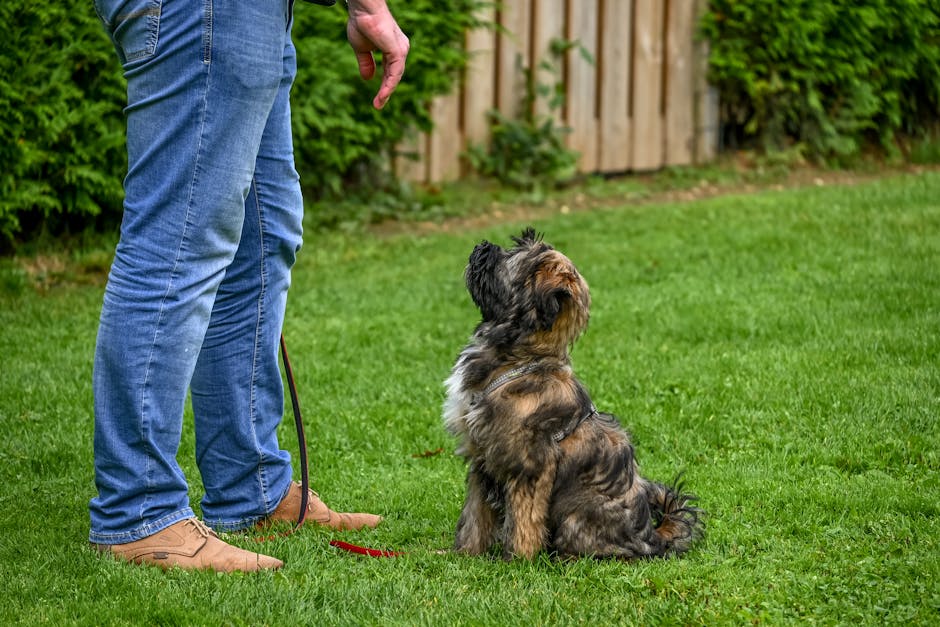
Dog vs. cat training essentials aren’t about “which is easier”—they’re about understanding how each species learns. Dogs train through predictable cues, repetition, and relationship-based reinforcement. Cats train through environment design, choice, and low-stress routines. If you swap the mindset—treating a cat like a dog or a dog like a cat—you’ll waste weeks and create avoidable behavior problems.
I’ve helped with both species in real homes, and the patterns are consistent: dogs tend to escalate into “communication through action,” while cats escalate through “communication through withdrawal or targeted marking.” The good news is that once you match training methods to how dogs and cats actually learn, progress becomes fast and calmer—especially in 2026 when modern positive-reinforcement tools are more available than ever.
Key takeaway: Dogs learn best with clear cues and fast feedback; cats learn best when the environment does the teaching
Dog training is stimulus-response heavy: you cue, your dog acts, you reward. Cat training is more “design and habit”: you set up safe defaults, then reward the behavior you want when your cat chooses it.
In practical terms, that means your dog’s training sessions look like 3–10 minute drills with a clicker or marker word. Your cat’s training sessions often look like short interactions that reduce friction—plus a carefully managed setup for litter, scratching posts, and stress triggers.
How learning styles differ in dog vs. cat training essentials
Here’s the honest difference that changes everything: dogs are typically more motivated by people and social reinforcement, while cats are typically more motivated by control, comfort, and access to resources they value (food, resting spots, vertical space).
Dog behavior basics that affect training
Dogs are social learners. When you reward attention, eye contact, calm handling, and follow-through on cues, you’re reinforcing a loop that’s easy to repeat. That’s why “sit” and “down” can show improvement in days when you train consistently.
Dogs also tend to interpret human body language as information. If you turn your head toward the treat pouch, your dog learns the pattern: “human is about to ask.” This is why I recommend using consistent cues and avoiding “accidental training,” like rewarding jumping just because it’s cute once.
Cat behavior basics that affect training
Cats are option-based learners. They test the environment, then commit when something feels safe and predictable. That’s why a cat may refuse a command-y behavior even if you “teach it correctly”—if the setup is stressful or the reward isn’t compelling.
One original insight I’ve seen repeatedly: cats train faster when you reduce their decision fatigue. Many “training failures” happen because the household gives cats too many competing choices—where to nap, where to scratch, where to go potty, when to feel safe. Fewer choices (in the right areas) creates clearer patterns.
What most owners get wrong: using dog methods on cats (and the reverse)

The biggest mistake I see is treating a cat like a tiny dog. The second biggest mistake is assuming a dog will “naturally” use a litter box or ignore a doorway like a cat would.
Top dog-to-cat training mistakes
- Using repeated commands: saying “no” and repeating “come here” escalates stress and reduces learning clarity. Cats need reinforcement for specific, repeatable target behaviors.
- Relying on punishment: cats generalize fear to people, rooms, and objects. If your cat learns the “wrong lesson,” you’ll see avoidance and problem behaviors increase.
- Expecting obedience on demand: cats respond to opportunities. If the reward isn’t instantly available or the moment isn’t calm, they’ll disengage.
- Ignoring resource setup: litter box placement and scratching options are training. If those are wrong, the cat will keep rehearsing the unwanted behavior.
Top cat-to-dog training mistakes
- Letting dogs “choose” chaos: dogs need structure for impulse control. If you never practice leash manners, you’ll still get leash pulling during real walks.
- Assuming they’ll self-correct: dogs learn through consequences. If barking or jumping gets attention—even negative attention—they’re practicing that behavior.
- Using only treats without timing: reward timing matters. In my experience, rewards delivered 1–2 seconds late often cause confusion, especially for new learners.
Training essentials by species: goals, tools, and realistic timelines
When people ask for “dog vs. cat training essentials,” they usually want a schedule. Below is a practical, home-friendly roadmap you can use in 2026.
Dog training essentials: tools that actually help
For dogs, you’ll get faster results with a consistent marker and a repeatable reward plan. A marker word like “yes” or a clicker works well because it communicates timing.
Common tools I recommend for home training include:
- Clicker or marker word (simple, fast feedback)
- Treat pouch to keep reward delivery quick
- 6-foot leash for manageable sessions (not a 30-foot line at first)
- Long-line (optional) after basics are reliable in low distractions
- High-value treats: soft training bites or freeze-dried options
Cat training essentials: tools that reduce friction
For cats, tools are mostly about access, comfort, and scent cues. A key definition: environmental shaping refers to arranging the space so the desired behavior is the easiest option.
Tools that help a lot:
- Litter setup that matches your cat’s preferences (box size, type, location)
- Scratching posts or cardboard scratchers in multiple favorite zones
- Interactive feeders to channel predatory energy safely
- Night-lamp or quiet room to lower stress responses
- Target stick (for some cats, it’s the fastest way to teach touch cues)
Realistic timelines (what you can expect in 2026)
Training timelines depend on age, temperament, consistency, and health. Still, you can plan around typical ranges.
| Goal | Dog training timeline | Cat training timeline |
|---|---|---|
| Basic cue (sit/stand) | 3–10 days for consistent reps | 1–4 weeks for “touch”/target behaviors (varies) |
| Leash manners | 2–6 weeks (loose-leash in low distractions) | N/A (use harness desensitization instead) |
| Potty reliability | 2–8 weeks with schedule + reinforcement | Often 1–2 weeks if litter setup is correct |
| Scratching the right place | Redirect with management; learning in weeks | Days to weeks with proper surface placement |
| Noise/stress coping (e.g., guests) | 2–8 weeks with desensitization and calm rewards | 2–10 weeks; prioritize safe hiding and retreat options |
Dog training essentials: step-by-step methods for common problems
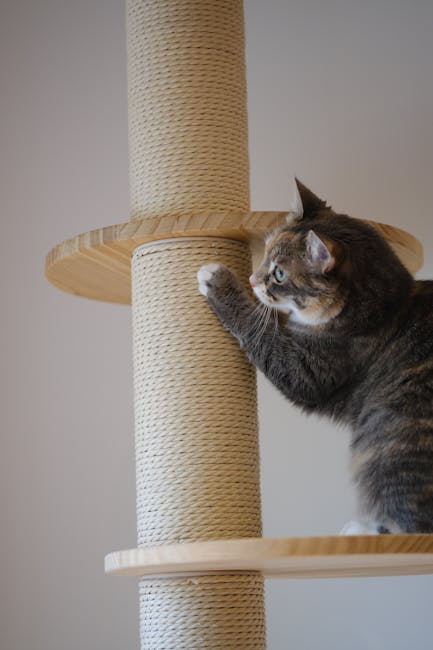
Dogs respond extremely well to structured routines. Here are specific problem scenarios and what I recommend.
How to teach “come” to a dog without creating chase behavior
Most people accidentally teach recall backward: they call, the dog doesn’t respond, then they chase. Instead, start recall where your dog is successful.
- Choose a quiet area with minimal distractions.
- Start with a long line only when needed (you don’t want freedom to practice failure).
- Say your cue once, wait 1 second, then lure or guide if needed.
- Reward immediately when your dog turns toward you and again when your dog reaches you.
- Increase distance only after 80–90% success for multiple sessions.
If your dog is highly reactive, it’s safer to work with a certified trainer (like a CCPDT member) before you raise difficulty. I’ve seen recall training backfire when the “fun” reward isn’t stronger than the trigger.
Leash pulling: the “reward what happens next” approach
Instead of “not pulling,” you reward the behavior you want: walking near you, checking in, and loose-leash moments.
- Stop moving the moment the leash tightens.
- Wait for micro-movements that reduce tension.
- Mark and reward when the leash is loose again.
Use a front-clip harness only if you already know how to fit it safely. For many dogs, proper reward timing and shorter practice sessions work better than equipment changes.
Barking and jumping: use alternatives, not just “no”
Dogs bark and jump to communicate. The training goal is to replace that communication with something you can reward reliably.
For barking at the door, train a “go to mat” routine. For jumping greetings, train “sit for petting” or “four paws on the floor.” You should reward calm behavior during the moment it happens—not after the dog has escalated.
Cat training essentials: step-by-step methods for common problems
Cats learn through comfort, choice, and repetition of peaceful routines. When you treat a cat’s behavior as communication, your training plan becomes calmer and more effective.
How to get litter box success (without punishment)
Potty problems are usually a mismatch between the cat and the setup, not a “bad attitude.” A key definition: litter box training is teaching a cat to associate the box location and surface with elimination through accessibility, cleanliness, and reward when successful.
- Follow the “one box per cat plus one” rule in multi-cat homes.
- Keep boxes in quiet, low-traffic areas.
- Use unscented, clumping litter unless your cat already prefers something else.
- Scoop at least once daily; deep-clean weekly with a mild, unscented product.
If your cat suddenly starts going outside the box, rule out medical issues first (urinary discomfort and constipation are common causes). In my experience, owners who skip the vet step often label the cat as “stubborn,” when the cat is actually in pain.
Scratching the wrong furniture: redirect with placement strategy
Cats scratch to mark territory visually and feel their claws. Punishment teaches fear, not alternatives. Instead, place approved scratching surfaces where the cat already wants to scratch.
- Find the top 1–3 scratch spots.
- Put a scratching post or cardboard pad directly next to each spot.
- Use cat-safe attractants (like catnip or commercially available attractant sprays) sparingly.
- Reward the moment the paws touch the correct surface.
Then gradually move the preferred surface toward a location you want. This “shift, don’t ban” approach works better than covering furniture and hoping the cat adjusts.
Desensitizing a cat to handling and harnesses
Many owners want their cat to tolerate grooming or a carrier, but rushed handling can cause defensive behavior. For cats, the goal is stepwise association: touch cue → reward → end session before stress spikes.
- Start with 5–10 second sessions.
- Pair the carrier or harness with treats placed just outside, then inside.
- Never force. If the cat freezes or hides, pause and lower difficulty next session.
As a practical shortcut, I like “practice days” where the harness just appears for treat delivery—no clipping until the cat stays relaxed for multiple trials.
Comparison checklist: dog vs. cat training essentials in one place
Use this checklist to choose the right approach quickly.
| Training factor | Dogs | Cats |
|---|---|---|
| Primary leverage | Social attention + treats | Comfort + choice + resource control |
| Session style | Short drills with cues | Brief interactions with environmental setup |
| Best feedback | Marker word/click + fast reward | Reward the correct option when the cat chooses |
| Common failure | Rewarding the wrong behavior by accident | Wrong litter/scratch setup or fear-based handling |
| Distraction handling | Gradually increase difficulty and distance | Lower stress, provide retreat options, reduce competing stimuli |
People Also Ask: Dog vs. cat training essentials
Which is easier to train: dog or cat?
Dogs are usually easier for predictable, cue-based tasks like sit, stay, leash skills, and recall. Cats can absolutely learn training cues and routines, but they often require a setup that matches their preferences and lower-stress conditions.
If you want “reliable obedience on command,” dogs tend to win. If you want “problem behaviors reduced through environment design,” cats can improve quickly—especially with litter and scratching fixes done correctly.
Do cats respond to commands like dogs do?
Some cats do respond to commands, but they respond differently. A cat may learn a cue like “target” or “come” if the reward is consistent and the environment is calm.
However, cats may not generalize the cue across rooms the way dogs do. Plan to practice in multiple locations, or keep the cue tied to a specific routine like a grooming session.
Can I use the same training treats for both my dog and cat?
Don’t assume one treat fits both. Many cat treats are higher in protein and smell stronger for cats, while dogs often need different textures for training.
Also check labels: some foods are unsafe for one species. If you’re using commercial treats, keep dedicated containers for each pet to prevent accidental mixing.
How long should training sessions be?
For dogs, aim for 3–10 minutes per drill, 1–2 times daily at first. For cats, keep sessions shorter—often 30 seconds to 3 minutes—because stress cues can escalate quickly.
End on a win. Stopping while the pet is still engaged prevents frustration learning on both sides.
Health and safety: when behavior is actually a medical issue
Behavior problems often have health roots, and training can’t override pain. In both dog and cat training essentials, you should treat the body as the baseline.
When to call a vet for dogs
- Sudden changes in aggression or fear
- New litter/house soiling (or frequent accidents)
- Chronic barking that appears linked to discomfort
Dogs may also develop joint pain that changes leash tolerance and jumping behavior. If your dog suddenly dislikes stairs, training will feel “harder” because discomfort is steering the choices.
When to call a vet for cats
- House soiling that appears sudden
- Straining in the litter box
- Excess vocalization paired with hiding
Urinary issues are common and painful. If your cat starts avoiding the box, do not assume it’s “behavioral stubbornness.” Current best practice in 2026 emphasizes ruling out medical causes early.
Home setup for better training outcomes (Pet Care + Pets & Home Lifestyle)
Training doesn’t happen only during “lessons.” It happens when you design the home so good choices are easier.
For dogs: reduce rehearsal of unwanted behavior
Management is your friend. Use baby gates to limit access to high-value triggers, close doors that lead to clutter, and keep chew items in predictable locations.
If your dog steals items, secure trash bins and consider a simple scatter-feeding routine in a safe area. You’re not giving up—you’re preventing the dog from practicing “resource guarding” or “counter surfing.”
For cats: create vertical and retreat routes
Cats need escape routes. Put a cat tree near a window, offer a high shelf or covered hideout, and use a consistent feeding routine.
If you’re dealing with multi-pet dynamics, read our guide on introducing pets safely to reduce stress signals that derail training progress.
Training products and routines I’d pick first (with real use cases)
I’m a big believer in starting with simple tools that you’ll actually use daily. These have helped many owners—because they improve consistency, not because they’re flashy.
Dog starter kit for 2026
- Marker word: “yes” (or clicker) + small training bites
- 6-foot leash for early loose-leash practice
- Mats or beds for “go to place” calm routines
- Short enrichment: 5-minute sniff walk or puzzle feeder after training
Real use case: one client’s dog had door-dashing behavior. We taught “go to mat” and rewarded calm waiting during door openings. The dog improved within two weeks because the routine reduced uncontrolled bursts.
Cat starter kit for 2026
- Correct litter box setup (size, location, cleanliness)
- Two scratching surfaces in main pathways and one near the favorite sleeping spot
- Timed feeding plus interactive toys for predatory play
- Target stick for optional cue training (touch = reward)
Real use case: a cat who “hated the litter box” began using it immediately after switching to a larger box with a different entrance style and moving it away from the loud laundry area. Training solved the behavior faster than any reprimand could.
Final actionable takeaway: Match the method to the species—then commit for 10 days
If you remember one thing from these dog vs. cat training essentials, make it this: dogs respond to cues and quick feedback; cats respond to environmental clarity and low-stress routines. When training works, it feels almost boring—because your pet finally understands what earns safety, food, play, or attention.
Pick one priority goal for each pet (for dogs: loose leash or recall; for cats: litter reliability or scratching redirection). Commit to a 10-day schedule with short sessions, precise rewards, and a home setup that prevents rehearsal of the wrong behavior. If you do that consistently, you’ll see measurable progress—and you’ll stop fighting your pet’s instincts.
Want more practical guidance? Explore our related resources in pet care checklists for daily routines and animal health signals to watch for so you know when training is the solution and when it’s a vet visit first.