

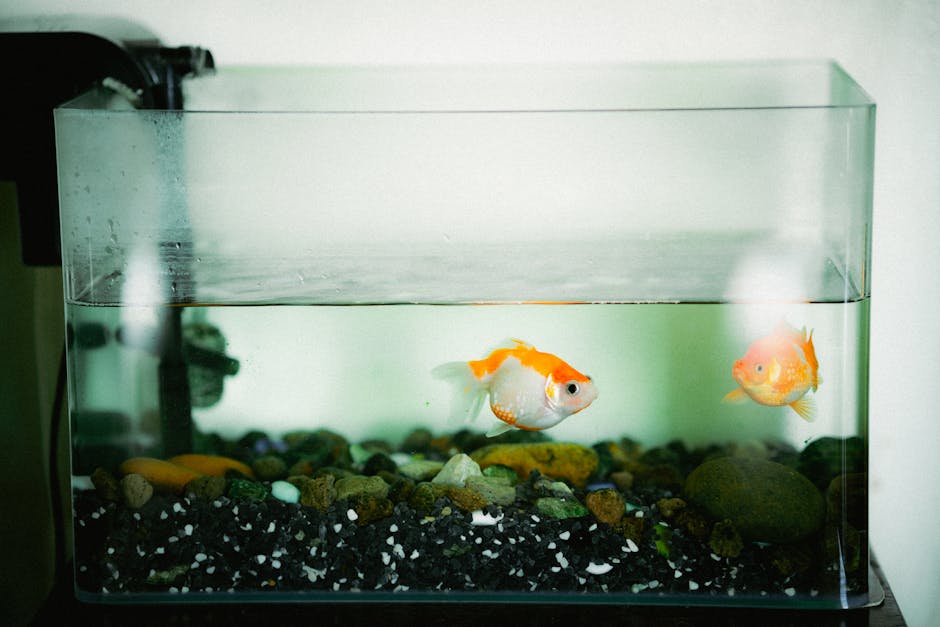
One of the fastest ways to ruin both an aquarium and a small-animal setup is surprisingly simple: you focus on the “fun” part (decor, food, new animals) and ignore the boring part (water quality and bedding). I’ve done it—setting up a gorgeous tank or fresh bedding, then watching ammonia spike or seeing subtle skin changes a week later. The good news is that water quality and bedding management are both measurable, and health monitoring can be as routine as checking the thermostat.
Aquarium and small animal care essentials come down to three repeatable systems: keep water parameters stable, use bedding that controls moisture and odor without stripping safe surfaces, and monitor health early using a simple checklist. If you do those consistently, you’ll catch problems before they become “emergency vet” problems.
Core idea: Water quality is the foundation (for fish, and indirectly for small pets)
Water quality refers to the chemical and biological conditions that keep an aquatic animal’s skin, gills, and gut functioning normally. For aquariums, the big three are ammonia (NH3/NH4), nitrite (NO2-), and nitrate (NO3-), plus pH and dissolved oxygen. For small animals, water quality doesn’t affect them the same way, but your cleaning routine does—especially if you use the same sink, buckets, or disinfectants.
As of 2026 best practice, most hobbyists and responsible keepers treat “cycling” as a living process, not a one-time setup step. I still recommend people avoid shortcuts like adding lots of fish quickly, because the nitrifying bacteria need time to establish and you can’t rush biology without consequences.
Step-by-step: cycle your aquarium the right way (and confirm it)
Here’s what I do when I want a tank to be stable, not just “looks fine.”
- Set up equipment first: filter, heater (if needed), thermometer, and a reliable water test kit.
- Choose a test schedule: test ammonia and nitrite daily (or every other day) during cycling.
- Confirm the cycle: ammonia should rise, then fall; nitrite should rise, then fall; and nitrate should show up.
- Do not add a full loading: add a small number of hardy fish after ammonia and nitrite stay at 0 for several days.
- Perform a stability check: aim for pH that stays within a tight band (you’ll learn the normal range for your tank).
If you’re using products like the API Master Test Kit (liquid tests) instead of cheap dip strips, you get more accurate readings. Dip strips are fine for rough screening, but they’re not what I’d rely on when you’re trying to prevent an ammonia/nitrite event.
What most people get wrong about ammonia and nitrite
The common mistake is believing that “cloudy water means the filter isn’t working,” or that “the fish looks okay today.” Ammonia and nitrite can begin harming gills quickly, and outward symptoms lag behind the chemistry. Another error: people overfeed during early cycling because they want the tank to “process waste faster.” In reality, heavy feeding raises ammonia and drags the process longer.
Best practices for aquarium water: pH, hardness, temperature, and cleaning rhythms
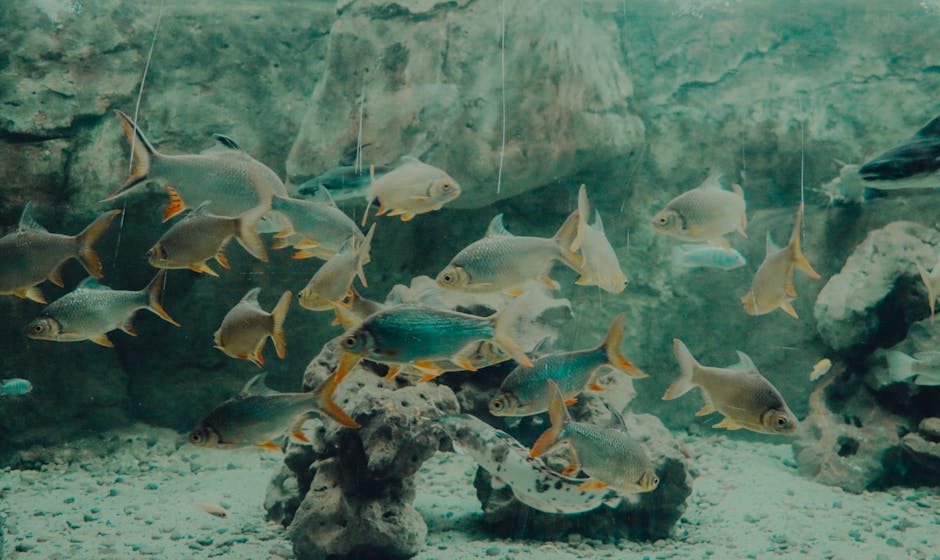
The practical goal of aquarium water management is stability. Fish tolerate a range of values, but they suffer from swings. Temperature swings stress metabolism; pH swings affect everything from bacterial growth to gill function; and debris increases organic load, which fuels ammonia production.
In my home setups, I track parameters weekly and schedule maintenance the same day each week. That rhythm prevents the “I forgot for 10 days” problem that causes sudden nitrate jumps.
Temperature: set-and-forget is wrong
Temperature is one of the easiest to manage with a quality heater and thermometer. Still, I never assume the heater is perfect without verifying. Use a separate thermometer (preferably analog or a second digital) so you catch a heater that’s stuck low or high.
Also, avoid frequent room-temperature drafts—near open windows, HVAC vents, and external doors. A 2–3°F change might not sound dramatic, but for small tropical setups, it can be stressful.
pH and buffering: how to handle “stable but not right”
pH is a measure of acidity/alkalinity. Many people chase a number instead of thinking in ranges and compatibility. The real question is whether your pH supports the species you keep and whether it remains consistent.
If you’re using tap water that varies seasonally, test it before it hits the tank. Then plan a water-change routine that minimizes sudden shifts. I often recommend preconditioning replacement water in a separate container so it equilibrates to the tank temperature and off-gassing matches your tank’s conditions.
Cleaning without killing your filter bacteria
Cleaning is not the same as scrubbing. Your filter media is a home for beneficial bacteria. Rinse mechanical sponges and media in dechlorinated water if they need cleaning, and avoid using tap water or harsh chemicals that wipe out your biofilm.
When doing water changes, don’t remove everything at once. Use a predictable portion—commonly 25–40% depending on bioload and tank size—so the tank doesn’t experience a major chemistry reset.
| Task | Do | Avoid | Quick target |
|---|---|---|---|
| Water changes | Use dechlorinated water; match temperature | Drastic one-shot replacements | Consistent weekly schedule |
| Filter maintenance | Rinse media gently; preserve biofilm | Soaking filter media in bleach | Only clean when flow drops |
| Substrate debris | Vacuum lightly during changes | Deep clean every week | Reduce detritus, don’t strip it |
Bedding and habitat basics for small animals: moisture control, safe textures, and odor management
Bedding management is the small-animal version of water quality: it’s the environment that affects skin, lungs, and digestion. Bedding refers to the material that lines cages or enclosures and influences moisture retention, ammonia smell (from urine), foot health, and respiratory comfort.
In 2026, keepers increasingly choose low-dust options and designs that separate food/water from the “wet zone.” That reduces ammonia formation without needing harsh cleaning.
Choosing bedding: match it to species and behavior
Different small animals have different needs. Rabbits and guinea pigs tend to do better with absorbent bedding that minimizes ammonia exposure. Hamsters often dig and burrow, so bedding must be safe for burrowing and easy to manage for moisture. Rats and mice need bedding that supports nesting while staying relatively dry.
Here’s a practical approach I use: pick bedding by (1) dust level, (2) absorbency, and (3) how it handles urine. If your bedding holds liquid and stays wet, you’ll smell ammonia fast and you’ll likely see respiratory irritation.
What most people get wrong about bedding
The biggest mistake is “using what’s cheapest” even when it’s dusty or too absorbent in the wrong way. Another error is stacking bedding too deep without spot-cleaning. Deep bedding can be great for comfort, but it also hides urine until it soaks deeper.
I also see people removing all bedding at once for “a clean reset.” That can be stressful and can disrupt beneficial microclimates in the habitat. A partial reset—spot clean daily, full changes on a schedule—is often better for both health and bonding.
Spot-clean schedule that actually works
Use a routine that keeps the habitat dry without constant deep disruption.
- Daily (2–5 minutes): remove obvious wet spots, replace small sections, and check water bowls for spills.
- Every 3–7 days: do a partial bedding refresh, especially in high-urine corners.
- Weekly: full bedding change for most small cages unless the animal requires a different rhythm.
- After a spill: remove damp bedding immediately, even if it’s not the scheduled day.
To control odor without overusing fragrances, I focus on dryness and correct cage ventilation. Strong scented sprays can irritate airways and mask the problem rather than fixing it.
Health monitoring you can do daily: behavior, appetite, breathing, skin, and stool checks
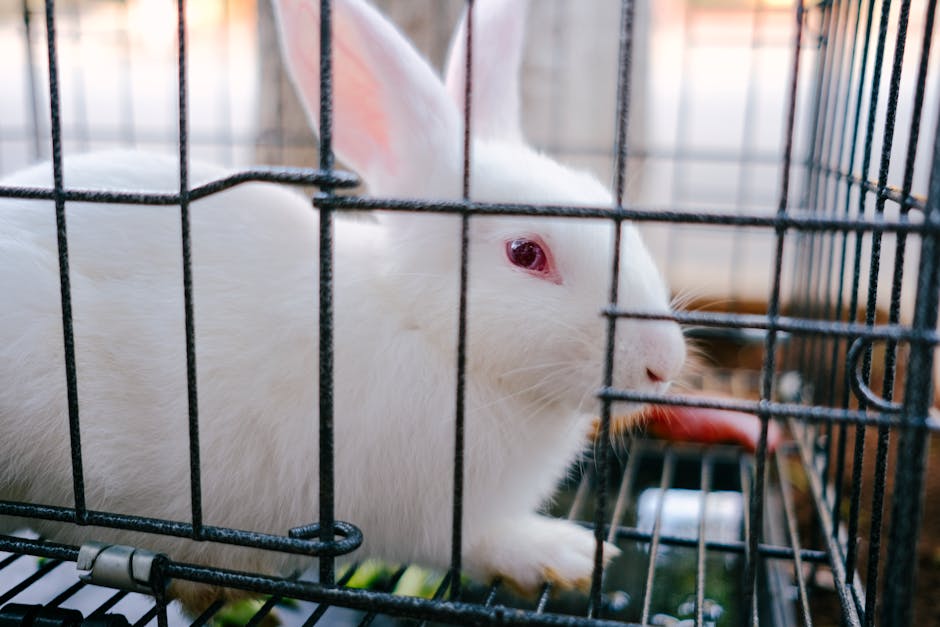
Health monitoring means spotting early changes in behavior, body condition, and function before illness becomes obvious. I treat it like a five-minute wellness check, not a dramatic “look for symptoms” session. For both fish and small animals, early detection is the difference between quick fixes and complicated treatments.
My approach is simple: watch first (quietly), then observe specific body systems (respiration, skin, posture), and only then handle or test if needed.
Daily checklist for small animals
Write this down or save it to your phone. When you’re consistent, your “normal” becomes clearer and you’ll notice deviations fast.
- Appetite: did they eat their usual portion or show interest?
- Water intake: noticeable jumps or sudden refusal can be a red flag.
- Breathing: listen/observe for open-mouth breathing, wheezing, or tail bobbing (species-dependent).
- Posture and movement: hiding all day, limping, or reluctance to move.
- Skin and coat: patchy fur, flaking, redness, or damp-looking areas.
- Stool and urine: use the habitat to your advantage—what “normal poop” looks like matters.
If you’re unsure what “normal” looks like, start by documenting what you see for the first 7–14 days after a new pet arrives. That baseline is incredibly useful if you later need to describe symptoms to a vet.
Fish health monitoring: behavior before spots
Fish often show behavioral changes before visible lesions. Watch feeding response, schooling behavior (if applicable), and how they use the tank. If a fish stays at the surface unusually often, hovers near flow, or refuses food, test water parameters immediately.
Common trigger pattern I’ve seen: a sudden rise in ammonia/nitrite or a filter disturbance leads to respiratory distress first. Before you chase decorative algae or “mystery disease,” confirm the chemistry.
How I decide between “monitor at home” and “call the vet”
My rule is: respiratory distress, inability to eat, severe lethargy, uncontrolled bleeding, or neurological signs are vet-now issues. For the rest, I monitor closely over 24 hours while addressing husbandry basics like water/bedding dryness and temperature stability.
For aquatic animals, if ammonia or nitrite is present, treat it as urgent even if fish look “mostly okay.” The safest move is to correct the cause immediately and contact a vet or knowledgeable aquatic specialist.
People Also Ask: Aquarium and small animal care essentials (quick answers)
How often should I test aquarium water?
During cycling and after any major change (filter replacement, new decor, medication, or stocking changes), test daily for ammonia and nitrite until stable. Once the tank is mature, a weekly schedule usually works: ammonia 0, nitrite 0, nitrate monitored, plus pH and temperature checks as needed based on your species.
If you’re using a reliable kit and you’re changing water consistently, you’ll catch drift early. If you rarely test, problems can build quietly behind “clear water.”
What bedding is safest for small animals?
“Safest” depends on species, but safe bedding generally means low dust, low odor retention, and no sharp or irritating fibers. In practice, you want bedding that stays dry, controls ammonia smell, and supports natural behaviors like burrowing or nesting.
If your current bedding smells strongly within 24–48 hours, upgrade the material or improve spot-cleaning and ventilation.
Can I use the same cleaning products for cages and aquariums?
You should not. Aquarium systems are sensitive to residues, and many cleaners are not fish-safe. For small animal cages, use animal-safe cleaning methods and avoid strong fragrances or disinfectants unless the manufacturer clearly states they’re safe for your animal and follow the correct rinsing/drying steps.
In my routine, I keep separate buckets and brushes for aquariums versus small animal cages. It’s a small habit that prevents cross-contamination mistakes.
How do I know if bedding is causing respiratory problems?
Look for coughing, open-mouth breathing, tail bobbing (where applicable), and reduced activity. Also check for worsening odor despite cleaning—persistent ammonia smell is a sign that moisture and urine control aren’t working.
When you switch bedding, do it gradually if your animal is sensitive to changes, but don’t delay if symptoms are clear. The environment is often the first lever you can pull.
Tools and products that make care easier (and fewer mistakes)
Having the right tools reduces guesswork. The goal isn’t buying everything; it’s choosing tools that measure what matters. In both aquarium and small animal care, measurement beats vibes.
Must-have aquarium testing and maintenance items
- Liquid test kit (ammonia, nitrite, nitrate, plus pH): more reliable than dip strips for stable results.
- Dechlorinator: consistent water conditioning is non-negotiable.
- Gravel vacuum or substrate siphon: controlled debris removal during water changes.
- Replacement filter media plan: never reset all media at once.
I also recommend a notebook or spreadsheet. When you track test results and feeding, you start spotting patterns like “nitrate creeps up when I feed twice daily” or “filter flow drops after I rinse media too aggressively.”
Small animal habitat tools that pay off quickly
- Spot-clean scoop: daily convenience so you actually do it.
- Urine-absorbing liners (species-dependent): helps keep corners dry.
- Digital kitchen scale: weigh tiny animals (weekly or as needed). Weight loss is a more honest symptom than mood.
- Low-dust bedding: choose materials that don’t coat lungs and airways with fine particles.
One original insight I’ve found helpful: weigh the habitat “waste level” by noticing how quickly you smell ammonia. If odor arrives early even when you spot-clean, your bedding absorbency or cage layout needs changes.
Real-world scenarios: troubleshooting fast when something goes off
Even careful keepers hit problems. The difference is whether you respond with a logical sequence. Below are scenario-based fixes I’ve used and taught other pet parents in my own network.
Scenario 1: Aquarium suddenly smells “off” and fish gasp at the surface
First, test ammonia and nitrite immediately. Next, check for filter interruptions—power outage, clogged intake, or accidentally rinsed filter media in tap water during maintenance.
Action plan: correct the water chemistry (partial water changes with dechlorinator), restore filter flow, and reduce feeding to avoid adding more waste while bacteria stabilize. If nitrite or ammonia is present, treat it as urgent and consider contacting a vet or experienced aquatic specialist.
Scenario 2: Small animal has runny stool and a wet-smelling corner
Wet corners usually mean urine saturation and higher ammonia. Start with bedding changes in that exact area and improve hay/food management so fresh feed doesn’t sit in urine.
Then reassess hydration and diet. Sudden dietary changes can cause stool issues, but environmental ammonia irritation can also drive stress-related digestive problems.
Scenario 3: Bedding switch seems to help odor, but the animal looks stressed
This is common when the new bedding texture or scent is different. If symptoms are mild, introduce the new bedding gradually and monitor appetite and breathing closely.
If stress includes respiratory signs (sneezing that persists, wheezing, open-mouth breathing) or the animal stops eating, revert to the previous safer bedding and address ventilation plus dust level. Health comes before “odor goals.”
Conclusion: Build a weekly system for water quality, bedding, and health monitoring
Aquarium and small animal care essentials aren’t about perfection—they’re about consistency. Keep water chemistry stable through real cycling and accurate testing, manage bedding to control moisture and ammonia smell, and use a simple daily health checklist so you catch issues early.
If you do only one thing this week, do this: pick one day for weekly aquarium parameter checks and one daily habit for small-animal spot-cleaning and breathing/appetite observation. That combination turns “pet care stress” into a predictable routine—and gives your animals the stable environment they rely on to stay healthy in 2026 and beyond.
Related reading on our blog:
- Common signs of illness in small pets
- How to clean and disinfect pet cages safely
- How to handle small animals with less stress
- Creating a healthy quiet space for pets
Featured image alt text (for your CMS): Aquarium and small animal care essentials showing water testing, clean filter setup, and safe bedding for daily health monitoring.